
The biomarker longevity medicine still overlooks?
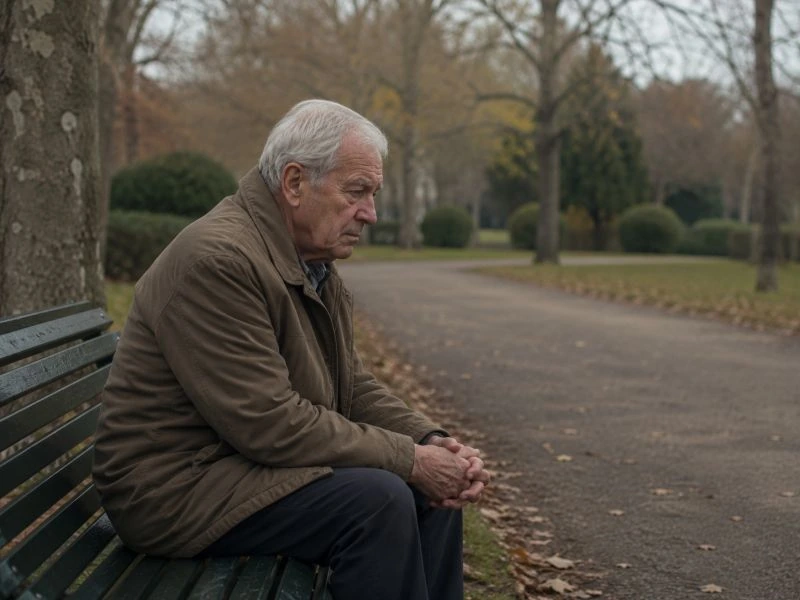
Longevity medicine has become increasingly sophisticated at measuring the individual.
We can assess cardiovascular risk, metabolic health, inflammation, strength, sleep, cognition and biological ageing. We can identify risks before they become symptoms and follow how someone’s biology changes over time.
Yet one of the strongest influences on how people age may never appear on a laboratory report:
Whether they feel connected, supported and useful to others.
Loneliness rarely presents under its own name. It may appear as poor sleep, worsening pain, anxiety, low mood, loss of confidence or withdrawal. Sometimes there is no single diagnosis that fully explains why someone is gradually becoming less well.
Often, part of the story is that their world has become smaller.
Midlife is often when social health changes. Children have moved away. Caring responsibilities or illness have made social participation more difficult. Retirement has removed the structure and relationships that work once provided. A partner has died.
What begins as a social change can gradually affect behaviour, physical health and resilience.
The scientific evidence increasingly supports a biological relationship between social connection and health. Social isolation and loneliness are associated with altered stress responses and impaired immune function, cardiovascular disease, cognitive decline, depression and premature mortality.
We should remain mindful that much of the evidence is observational, and people who are already becoming unwell may withdraw socially. Cause and effect are difficult to separate, but even with those limitations, the overall pattern is hard to dismiss.
Longevity medicine should therefore ask more than how someone eats, exercises and sleeps.
Who do you spend meaningful time with?
Who would notice if you were becoming unwell?
Where do you feel valued?
What gives structure to your week?
Measurement may help identify social risk, but human connection is complex. A large network does not guarantee support, while one or two close relationships may be profoundly protective.
We spend considerable time preparing financially for later life, but far less considering the relationships and communities that will sustain us within it.
For me, healthspan includes the continuing ability to participate. To remain physically capable, intellectually engaged and involved in the lives of other people. To give support as well as receive it. To retain a sense of purpose and the feeling that my presence is valued.
What will you do to ensure your social longevity?
