
In this section our scientific experts and clinicians will guide you through the complexities of longevity science.
Ageing is inevitable, age related decline is optional
Why focus on ageing?
Ageing is the single largest risk factor for the chronic conditions that erode quality of life. That is not rhetoric; it is the central observation of geroscience: the biological processes that constitute ageing – rather than isolated lifestyle choices or single genes – drive the rising incidence of cardiovascular disease, cancer, type 2 diabetes, dementia and frailty. Treating those processes is therefore the most efficient route to delay or prevent multiple diseases at once.
Over the past decade, ageing biology has morphed from metaphor to map. Twelve clearly identified interconnected processes collectively shift physiology from resilience to vulnerability. These mechanisms are measurable, and crucially, modifiable.

Longevity medicine (geromedicine) applies this biology to practice. It combines precision personalised risk-stratified prevention with targeted interventions that aim to slow – or in some domains partially reverse – aspects of biological ageing. The evidence base spans: (i) lifestyle “drugs” with molecular readouts (progressive resistance and zone-2 aerobic training that remodel mitochondrial and inflammatory pathways); (ii) nutrition patterns that influence nutrient-sensing and proteostasis; (iii) repurposed drugs and (iv) emerging therapeutics. The central thesis: target ageing biology to shift the entire disease curve.
Our position is straightforward. If ageing biology drives chronic disease, then measuring and modulating ageing biology should be routine from midlife onward. That means using validated clocks and phenotypes to quantify trajectory; correcting the reversible (sleep, glycaemic variability, inflammation, mitochondrial efficiency); and deploying science-backed therapeutics through structured, longitudinal programmes. The goal is not mythic immortality but practical compounding: more function per year, fewer bad years at the end.
In short – treat the cause, not the consequences.
Healthspan and “squaring the curve”
Our goal is a long, vibrant life – not just more birthdays. “Lifespan” adds years to life; “healthspan” adds life to those years. The classic picture is the “square-the-curve” graph: hold function high and flat for as long as possible, then compress the period of decline into a short end-segment. James Fries first articulated this as “compression of morbidity” in 1980; the idea has since moved from hypothesis to a reality.
Over the last century average lifespan has risen markedly, but the years lived in good health have not kept pace. The gap between lifespan and healthspan – years lived with disease or dependency – remains substantial, even in high-income countries. Our objective is to narrow that gap by delaying the onset of morbidity and reducing its duration. That requires shifting from a reactive, disease-by-disease model to an upstream, mechanism-first approach: measure trajectory early, intervene on shared biology and compound small gains over time.
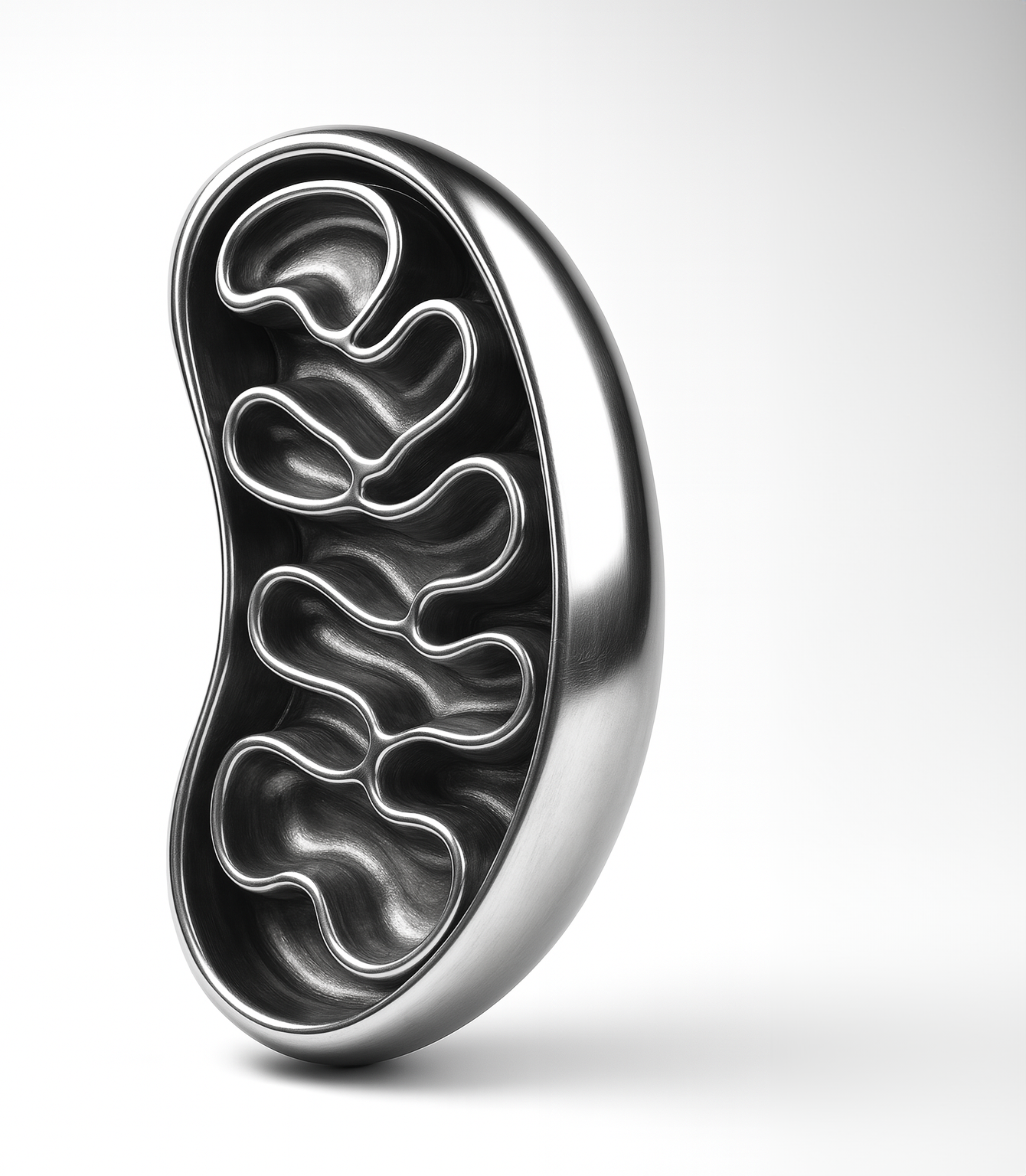
At LONGEVITY we target healthspan deliberately from midlife, when resilience begins to slip even in “healthy” individuals – using the principles of 4P medicine: precision, prediction, prevention and personalisation. We establish a high-resolution baseline and trajectory (functional capacity, metabolic control, inflammatory burden, biological age, mitochondrial efficiency), then intervene on the processes driving biological decline: optimising mitochondrial efficiency and nutrient sensing, improving proteostasis and autophagy, reducing chronic inflammation and improving body composition. The strategy is a personalised, coordinated, expert-led approach – strength and aerobic conditioning, optimised nutrition, optimised sleep architecture – and where justified, geroscience-informed therapeutics delivered within robust governance.
The aim is unchanged: raise the ceiling (peak function), flatten the slope (rate of decline) and shorten the tail (time lived with disability).
Train today for the demands of your future decades and manage risk by treating ageing biology – not just labels on a problem list. The framing is useful because it makes the trade-off explicit. We invest now to bend the whole curve later. That is modern longevity medicine in one sentence: compress morbidity, extend healthspan and let lifespan follow.
The pillars of ageing
Modern biology describes a series of key processes that that drive functional decline across all systems. The original nine “pillars” proposed in 2013 have now been updated to twelve, reflecting a decade of progress and widening the targets for intervention. Understanding these pillars of ageing allows us to build scientifically validated approaches for limiting or even reversing the cumulative effects of ageing.
The 12 pillars
1 Genomic instability accumulating DNA damage and compromised repair raise mutational burden and cancer risk;
2 Telomere shortening limits cell renewal capacity
3 Epigenetic alterations; environmental factors cause expression of harmful genes or suppression of helpful genes
4 Loss of proteostasis; poor quality control of cellular proteins leads to accumulation of damaged and misfolded proteins
5 Impaired autophagy; failure of cellular recycling and organelle quality control
6 Deregulated nutrient sensing; insulin resistance
7 Mitochondrial dysfunction; the powerhouses that drive our cells produce less energy for essential life processes.
8 Cellular senescence; irreversibly damaged cells enter a zombie-like state releasing pro-inflammatory signals contributing to
9 Chronic sterile inflammation; instead of being activated to fight off infection our immune system enters a low grade “always on” state damaging our own cells and organs.
10 Stem-cell exhaustion; declining stem cells results in an inability to heal tissues or produce new cell lines.
11 Altered intercellular communication; the complex cross talk between cells (hormonal, neuronal and extracellular matrix signalling) that promote coordinated function begin to degrade resulting in disordered tissue function;
12 Dysbiosis: microbiome imbalance that perturbs metabolism and immunity.
Crucially, these pillars are interconnected. Mitochondrial dysfunction amplifies senescence and inflammation; impaired autophagy worsens proteostasis; epigenetic drift and nutrient-sensing errors reinforce each other. This explains why from from the mid-40s onwards we experience slower recovery, reduced resilience and rising multimorbidity. It also explains why geromedicine works: restoring function to one or two pillars can induce positive effects in other pillars.
In practice, longevity medicine leverages a precise personalised coordinated programme that pushes biology back towards youthful set-points, delaying disease onset and compressing late-life decline.
References
1. López-Otín C, Blasco MA, Partridge L, Serrano M, Kroemer G. The Hallmarks of Aging. Cell. 2013;153(6):1194-1217.
2. López-Otín C, Partridge L, Sierra F, et al. Hallmarks of aging: An expanding universe. Cell. 2023;186(2):243-278.
3. Baechle JJ, Belavgeni A, von Horsten S, et al. Chronic inflammation and the hallmarks of aging. Frontiers in Aging. 2023;4:1215310.
How do we age?
Biology does not age in a straight line. Across multiple large datasets ageing appears to progress in 3 discrete waves – with reproducible inflection points where many molecular systems shift together.
The first clear signal sits around 34 years old: Plasma proteomics from >4,000 adults show a peak of coordinated protein change at ~34, then again at ~44 and ~62, each wave altering pathways linked to cardiometabolic, vascular and neurological risk. That signal marks the first detectable wobble in resilience – subclinical in most people, but measurable if you look.
We call this the early Metabolic Flicker. It is the perfect time to establish a true high-resolution baseline and address the fundamentals of strength, aerobic capacity, glycaemic stability, sleep and body composition before decline accelerates.
The second inflection occurs around 44 years old: Here, multi-omics studies (longitudinal profiling of transcripts, proteins, metabolites, cytokines and the microbiome) show multiple degenerative shifts in mitochondrial function, increased visceral fat driving inflammatory dysregulation (inflamm-ageing), cardiometabolic decline, hormonal disruption and diminished cognitive stamina. Many of us may recognise the effects of these changes – life is a little harder than it was a decade ago!
We label this phase Metabolic Drift. The point at which we must tighten inputs, measure trajectory and intervene on shared mechanisms (mitochondrial efficiency, nutrient sensing, autophagy/proteostasis, chronic inflammation) to prevent the slide into loss of vitality and chronic disease.
The final inflection occurs around 62 years old: Proteomics identifies another major wave here, characterised by immuno-senescence, widespread mitochondrial decline, neurovascular decline, loss of lean muscle mass and stem cell exhaustion. This inflection correlates with the uptake in clinically significant chronic illness which become apparent in the 60s onwards. We feel this as recovery slows, injury costs more, endothelial integrity and immune calibration drift, and the price of de-conditioning rises steeply.
This is Regenerative Drop-off.
Longevity medicine leverages understanding these inflections to develop approaches to stabilise and frequently reverse evidence of biological decline.
At all three inflections, interventions are possible to optimise function and maximise health-span.
Nutrition for longevity
Nutrition sits at the heart of longevity science because it is one of the most potent, modifiable factors influencing both lifespan and healthspan. Far beyond calorie counting, dietary choices shape the metabolic, immune and cellular processes that determine how we age. High-quality dietary patterns such as the Mediterranean, MIND or DASH diets are consistently associated with lower inflammation, improved metabolic flexibility and reduced incidence of chronic disease – translating into a greater likelihood of reaching older age in good health.1
At the biological level, what and when we eat modulates several hallmarks of ageing. Balanced, fibre-rich diets nurture a healthy gut – a major regulator of immunity and systemic inflammation.2 Adequate protein and omega-3 fatty acids help preserve muscle and cognitive function, while bioactive plant compounds such as polyphenols exert antioxidant and anti-inflammatory effects. Timing also matters: aligning eating patterns with our circadian rhythm can enhance metabolic efficiency and cellular renewal through nutrient-sensing pathways.
Together, these mechanisms help maintain the vitality of key organs – the brain, heart, liver, gut, muscle and bones – and delay the biological processes that underlie frailty and disease. In practical terms, longevity nutrition is not about restriction, but about nourishment: eating with variety, balance and intention, allowing the body’s repair systems to function optimally and its defences to remain strong.
At LONGEVITY, nutrition is integrated with medical and biomarker insights to deliver precise, personalised strategies that support resilience and slow biological ageing — helping you extend your years of life in good health.
References:
1. Tessier AJ, Wang F, Korat AA, et al. Optimal dietary patterns for healthy aging. Nat Med. Published online March 24, 2025:1-9.
2. Ragonnaud E, Biragyn A. Gut microbiota as the key controllers of “healthy” aging of elderly people. Immun Ageing. 2021;18(1):2.
3. Mihaylova MM, Chaix A, Delibegovic M, et al. When a calorie is not just a calorie: Diet quality and timing as mediators of metabolism and healthy aging. Cell Metab. 2023;35(7):1114-1131.
4. Hu FB. Diet strategies for promoting healthy aging and longevity: An epidemiological perspective. J Intern Med. 2024;295(4):508-531.
